
Get Support
+1 (703) 665-8657
 By:
By: 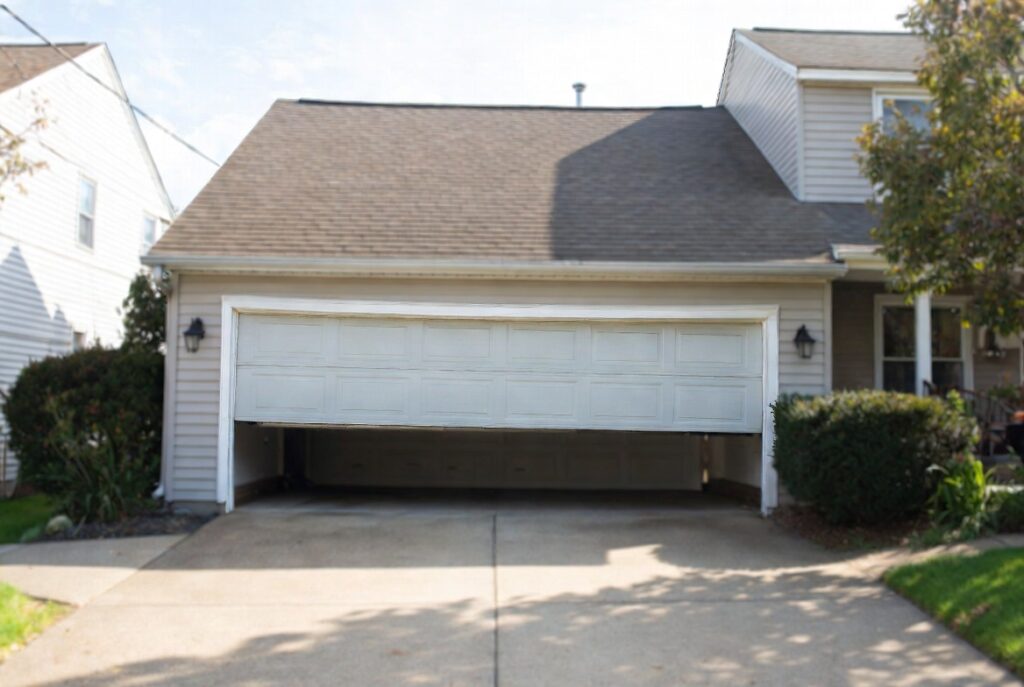
A Small Imbalance That Usually Signals a Bigger Problem
Most homeowners first notice it casually. The garage door suddenly looks “crooked” while opening, or one side seems slightly higher than the other when closing. At first, it may still work, so it feels easy to ignore.
But an uneven garage door is rarely just a cosmetic issue.
When one side of the door sits higher than the other, it usually means the system is losing balance somewhere within the cables, springs, tracks, or rollers. In many Northern Virginia homes where garage doors are used several times daily, this type of uneven movement is one of the earliest warning signs of mechanical stress.
Understanding why one side of your garage door is higher than the other helps prevent bigger safety risks, expensive damage, and sudden system failure.
What an Uneven Garage Door Actually Means
A garage door is designed to move evenly on both sides at the exact same time. The springs, cables, drums, and tracks work together to maintain balance during every movement cycle.
When one side lifts higher:
- Weight distribution becomes uneven
- Mechanical strain increases
- Movement becomes unstable
- Parts begin wearing faster
Even a small tilt can indicate a deeper issue developing inside the system.
Most Common Reasons One Side of a Garage Door Is Higher
There are several possible causes, but most uneven garage doors fall into a few common categories.
1. Garage Door Cable Problems
One of the biggest causes is cable imbalance.
Garage door cables help lift the door evenly. If one cable becomes:
- Loose
- Frayed
- Stretched
- Slipped off the drum
The door immediately starts lifting unevenly.
This often creates a visible tilt where one side rises higher or faster than the other.
2. Torsion Spring Imbalance
Torsion springs carry most of the door’s weight. If spring tension becomes uneven, one side receives more lifting force.
This can happen because of:
- Aging springs
- Improper tension adjustment
- Wear from heavy usage
Spring imbalance is especially common in older garage door systems.
3. Misaligned Tracks
Garage door tracks guide the movement of the rollers. If one track becomes slightly bent or shifted:
- Rollers stop moving smoothly
- One side experiences resistance
- The door lifts unevenly
Even minor track alignment issues can affect balance.
4. Worn or Damaged Rollers
Rollers help the door glide smoothly. When they wear down unevenly:
- One side drags more than the other
- Movement becomes jerky
- Door alignment changes gradually
This issue often develops slowly over time.
5. Loose Hardware or Hinges
Daily vibration loosens bolts and brackets over the years.
Loose hardware can:
- Shift track position
- Affect panel alignment
- Create uneven tension during movement
Homeowners often overlook this because the issue develops gradually.
Early Warning Signs Before the Door Becomes Severely Uneven
Garage doors usually show smaller symptoms before the imbalance becomes obvious.
Common warning signs:
- Slight shaking during operation
- Door appears crooked while moving
- One side moves faster than the other
- Grinding or scraping noises
- Door stops unevenly when closing
These signs indicate the system is already under strain.
Why You Should Never Ignore an Uneven Garage Door
Many homeowners continue using the door because it still opens and closes.
That is risky.
An unbalanced garage door creates extra stress on:
- Springs
- Cables
- Rollers
- Opener system
- Tracks
The longer it continues operating unevenly, the more likely additional parts will wear out.
Real-Life Situation Many Homeowners Experience
A homeowner notices a slight tilt while backing out of the driveway. Since the door still works, they decide to “watch it for a while.”
A few weeks later:
- The tilt becomes worse
- The door starts jerking
- One cable slips completely
- The system jams halfway open
This progression is extremely common because garage door imbalance rarely fixes itself.
Safety Risks of an Uneven Garage Door
An uneven door is not just inconvenient. It can become dangerous.
Possible risks include:
- Door coming off tracks
- Sudden cable failure
- Door dropping unexpectedly
- Increased spring tension problems
- Vehicle damage from unstable movement
Garage doors are heavy systems operating under tension, which is why imbalance should always be taken seriously.
How to Check If Your Garage Door Is Uneven
You can perform a simple visual inspection safely.
Look for:
- Gaps under one side of the door
- Crooked appearance during opening
- Loose or hanging cable sections
- Rollers not centered in tracks
Manual balance check:
Disconnect the opener carefully and lift the door halfway manually.
A properly balanced door should:
- Stay relatively level
- Not drift quickly up or down
- Feel smooth during movement
If one side drops lower, imbalance is likely present.
What You Should Avoid Doing
Homeowners sometimes make the issue worse unintentionally.
Avoid:
- Forcing the door open repeatedly
- Adjusting springs without experience
- Continuing heavy daily use
- Ignoring cable wear
- Using the opener if movement feels unstable
Garage door springs and cables are under high tension and can be dangerous if mishandled.
How Seasonal Weather Affects Garage Door Balance
Northern Virginia weather plays a bigger role than many homeowners realize.
Temperature changes can cause:
- Metal expansion and contraction
- Lubrication thickening in winter
- Increased tension changes in springs
Over time, seasonal stress contributes to uneven movement and mechanical wear.
Preventive Maintenance Tips
Regular maintenance helps prevent imbalance before it starts.
Important habits include:
- Lubricating moving parts every few months
- Inspecting cables for wear
- Tightening loose hardware
- Keeping tracks clean
- Listening for unusual sounds early
Preventive care keeps the entire system balanced and smooth.
Common Mistakes Homeowners Make
Many garage door imbalance issues become worse because early signs are ignored.
Avoid these mistakes:
- Waiting until the door fully jams
- Assuming slight unevenness is normal
- Ignoring scraping noises
- Continuing to use a visibly tilted door
- Delaying inspections for months
Small alignment problems can turn into major mechanical issues surprisingly fast.
Simple Garage Door Imbalance Checklist
| Symptom | Possible Cause |
| One side higher than the other | Cable or spring imbalance |
| Crooked movement | Track alignment issue |
| Jerky opening | Roller wear |
| Door tilts while closing | Uneven tension |
| Grinding noise | Track or roller resistance |
This quick comparison helps homeowners recognize early warning signs.
Why Early Attention Matters
Most garage door failures start with minor imbalance.
Addressing the issue early helps prevent:
- Sudden breakdowns
- Door derailment
- Excess strain on opener systems
- Expensive part wear
- Safety risks for family members
The earlier imbalance is identified, the easier the system is to stabilize.
Final Takeaway
Understanding why one side of your garage door is higher than the other can help you catch serious issues before they become dangerous. Uneven movement usually points to cable tension problems, spring imbalance, worn rollers, or track misalignment.
A garage door should always move evenly, smoothly, and quietly. If one side looks higher, slower, or unstable, it is a clear sign the system needs attention before further damage develops.
FAQs
Why is one side of my garage door uneven?
The most common causes are cable imbalance, spring tension issues, or track misalignment.
Is it dangerous if one side of the garage door is higher?
Yes, because uneven movement increases strain and can lead to sudden mechanical failure.
Can I still use my garage door if it is uneven?
It is not recommended because continued operation may worsen the imbalance.
What causes garage door cables to become uneven?
Wear, stretching, slipping off the drum, or improper tension can all create imbalance.
How do I know if my garage door springs are unbalanced?
The door may feel heavy, tilt during movement, or fail to stay level when manually lifted halfway.