
Get Support
+1 (703) 665-8657
 By:
By: 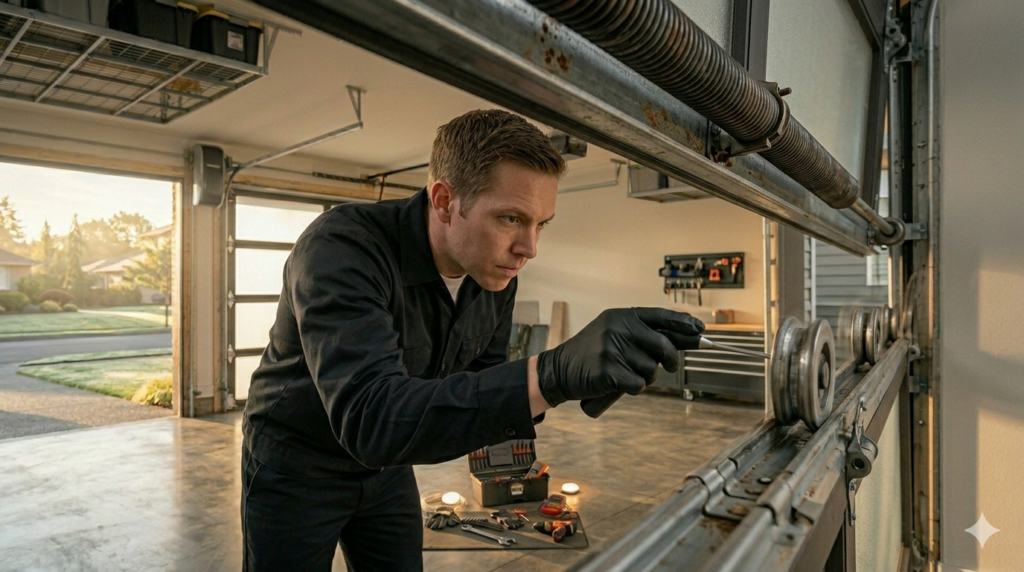
If you’re a homeowner in Northern Virginia, you know that a garage door is more than just an entryway—it’s part of your home’s security, convenience, and even curb appeal. But nothing kills that convenience faster than a garage door that screeches, rattles, or bangs every time it opens or closes. You might be wondering, “Why is my garage door making loud noises and how to fix it?”
The good news? Most noisy garage doors aren’t a sign of disaster. They’re often caused by simple issues that can be fixed quickly—sometimes even without a professional. In this guide, we’ll walk you through the common causes of loud garage door noises, symptoms to watch for, step-by-step troubleshooting, safety tips, and when it’s time to call a Northern Virginia garage door expert.
By the end, you’ll understand your garage door better and know exactly how to keep it running quietly and safely.
Common Causes of Noisy Garage Doors
Garage doors are heavy and complex machines. Over time, parts wear down, misalign, or lose lubrication, which can create all kinds of noises. Here are the most frequent culprits:
1. Worn Rollers
Garage door rollers allow the door to move smoothly along the tracks. Metal rollers, in particular, can wear down, causing grinding or squeaking noises. Plastic rollers can crack or become brittle over time, producing a rattling sound.
2. Loose Hardware
Bolts, screws, and brackets can loosen over months of daily use. When parts aren’t tight, the door may shake, rattle, or bang against the frame.
3. Dry or Worn Hinges
Hinges connect the door panels and allow them to flex as the door opens and closes. Without lubrication, hinges can squeak or grind.
4. Lack of Lubrication
Garage doors have many moving parts: rollers, hinges, springs, and tracks. If they aren’t lubricated regularly, friction builds up, causing loud squeaks and grinds.
5. Misaligned or Dirty Tracks
Tracks guide the door as it moves. Dirt, debris, or bent tracks can make the door strain and produce knocking or scraping noises.
6. Worn Springs
Torsion and extension springs do the heavy lifting for your garage door. When springs age or wear unevenly, they can make loud popping or creaking sounds.
7. Opener Problems
Sometimes the culprit isn’t the door at all. A worn chain or belt in your garage door opener can create rattling or grinding noises during operation.
Quick Reference Table: Noisy Garage Door Causes
| Symptoms | Possible Cause | Quick Fix |
| Squeaking/creaking | Dry hinges, rollers, springs | Lubricate with garage door lubricant |
| Grinding/metal-on-metal | Worn rollers or opener chain | Replace rollers or adjust chain tension |
| Rattling | Loose bolts/hardware | Tighten all bolts and brackets |
| Knocking/scraping | Misaligned or dirty tracks | Clean tracks, adjust alignment |
| Popping | Worn torsion or extension springs | Call a professional for spring inspection |
Step-by-Step Guide to Troubleshoot Noisy Garage Doors
You don’t have to be a garage door expert to do some basic troubleshooting. Here’s a homeowner-friendly guide:
Step 1: Safety First
Before touching anything, disconnect the garage door opener. Make sure children and pets are out of the way. Always wear gloves and avoid standing directly under the door when testing.
Step 2: Inspect Rollers and Hinges
- Check each roller for signs of wear or cracking.
- Look at hinges connecting the panels for rust, damage, or stiffness.
- Replace damaged rollers or hinges if needed.
Step 3: Tighten Hardware
- Inspect all bolts, screws, and brackets along the door and tracks.
- Use a wrench to tighten any loose hardware, but don’t overtighten—it can restrict movement.
Step 4: Clean the Tracks
- Remove debris, dirt, or old grease from the tracks using a damp cloth.
- Make sure the tracks are straight; gently tap any bends back into place with a rubber mallet.
Step 5: Lubricate Moving Parts
- Use a silicone-based or garage door-specific lubricant on rollers, hinges, springs, and the opener chain.
- Avoid WD-40—it’s a cleaner, not a proper lubricant, and won’t last long.
Step 6: Check Opener Components
- Listen to the opener as it runs: grinding noises can indicate a worn chain, belt, or motor.
- Tighten the chain or belt if loose. For motor issues, call a professional.
Step 7: Test the Door
- Reconnect the opener and slowly operate the door.
- Listen for remaining noises and note which area is causing the problem.
Safety Tips for Homeowners
Garage doors are powerful. Even simple fixes can be dangerous if not handled carefully.
- Never attempt to adjust torsion springs yourself—they’re under extreme tension.
- Keep hands, fingers, and clothing away from moving parts.
- Use proper tools when tightening or lubricating components.
- Stand to the side when operating the door manually.
When to Call a Professional in Northern Virginia
Some issues are better left to trained technicians. Call a local garage door professional if:
- Your springs are making popping or snapping noises.
- The door continues to squeak or grind after lubrication and tightening.
- The opener is making unusual sounds or fails to operate smoothly.
- Tracks are severely bent or damaged.
- You’re unsure about how to safely replace rollers or springs.
A professional can inspect your door, replace worn parts, and ensure the system is balanced and safe for daily use. Northern Virginia homeowners often benefit from local experts familiar with regional climate conditions, which can affect metal parts and lubrication needs.
Preventing Noisy Garage Doors in the Future
Regular maintenance goes a long way in keeping your garage door quiet and functional. Here are some tips:
- Lubricate parts 2–3 times per year: Focus on rollers, hinges, and springs.
- Inspect hardware regularly: Tighten bolts and brackets as needed.
- Clean tracks periodically: Remove debris and check for alignment.
- Test door balance: Disconnect the opener and manually lift the door halfway—it should stay in place.
- Schedule professional inspections: once every 1–2 years can prevent bigger issues.
If your garage door is still noisy after basic maintenance—or if you’re unsure how to safely fix it—our certified Northern Virginia garage door technicians are here to help. From quieting squeaks to full roller and spring replacements, we ensure your door runs smoothly and safely. Contact us today to schedule a service appointment or consultation.
Noisy garage doors don’t have to disrupt your day. By understanding why your garage door is making loud noises and how to fix it, you can take simple steps to restore smooth, quiet operation. For Northern Virginia homeowners, local expertise ensures safe repairs, professional inspections, and peace of mind—so you never have to worry about that dreaded screech again.
Frequently Asked Questions
1. How often should I lubricate my garage door?
Most homeowners should lubricate moving parts 2–3 times per year to prevent friction and noise.
2. Can I fix noisy springs myself?
No. Garage door springs are under extreme tension and can cause serious injury. Always call a professional.
3. Why does my garage door make noise only when closing?
It could be misaligned tracks, worn rollers, or opener issues. Inspect each part carefully or call a technician.
4. Are metal rollers noisier than plastic ones?
Yes. Metal rollers are durable but can be louder. Nylon rollers are quieter and often recommended for homeowners seeking silent operation.
5. Will regular maintenance extend my garage door’s life?
Absolutely. Cleaning, lubricating, and tightening hardware helps prevent wear, reduces noise, and keeps your door operating safely for years.