Get Support
+1 (703) 665-8657
 By:
By: 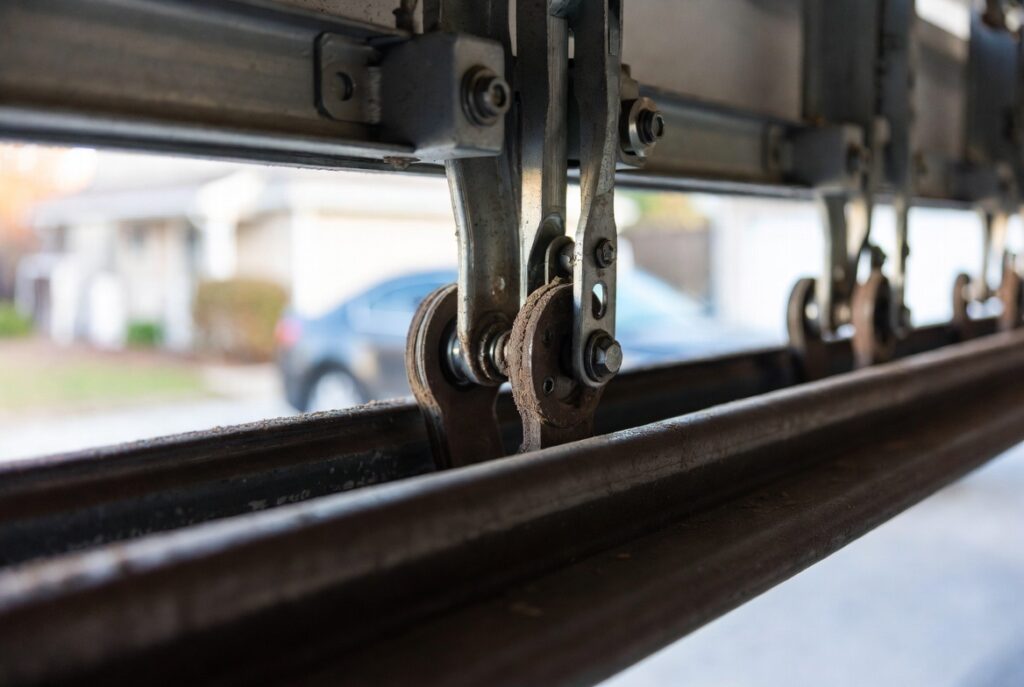
Garage doors are one of those household systems people rarely think about… until something starts sounding wrong. Maybe your garage suddenly became louder. Maybe the door shakes while moving. Or maybe you noticed a grinding sound that wasn’t there a few months ago.
In many Northern Virginia homes, these issues often trace back to one overlooked component: garage door rollers. They may look small, but rollers do a huge amount of work every single day. Every open-and-close cycle depends on them gliding smoothly along the tracks while supporting the weight and movement of the entire door. And here’s what surprises many homeowners:
Garage door rollers often wear out much faster than expected—not because they’re defective, but because of hidden stress, neglected maintenance, and everyday habits people don’t realise are damaging them.
Let’s break down why this happens, what signs to watch for, and how you can help your garage door system last longer without constant headaches.
What Do Garage Door Rollers Actually Do?
Garage door rollers are the small wheel-like components attached to the sides of the garage door.
Their job is simple but critical:
- Guide the door smoothly along the tracks
- Reduce friction during movement
- Support balanced opening and closing
- Help minimize vibration and noise
Without properly functioning rollers, the entire garage door system struggles.
Think of them like tires on a car. Even if the engine is perfect, worn-out tires create instability, noise, and safety issues.
Why Garage Door Rollers Wear Out Faster Than Expected
This is the main question homeowners ask once problems start appearing.
The truth is, roller wear usually happens gradually due to multiple small factors building up over time.
Here are the biggest reasons.
1. Lack of Regular Lubrication
This is one of the most common causes of premature roller wear.
When rollers aren’t lubricated:
- friction increases
- bearings overheat
- metal components grind together
- movement becomes rough and uneven
Many homeowners either forget lubrication entirely or use the wrong products.
Common Mistake:
Using heavy grease or thick lubricants that attract dust and debris.
Instead, garage systems typically perform better with light garage-door-specific lubricants.
2. Dirt and Debris Inside the Tracks
Northern Virginia weather creates a perfect environment for buildup:
- pollen
- dust
- moisture
- road debris
- leaves and dirt
Over time, this debris creates resistance inside the tracks.
That added friction forces rollers to work harder every cycle.
The result?
Faster wear on bearings, stems, and wheel surfaces.
3. Cheap Roller Materials
Not all rollers are built the same.
Some older systems use low-quality plastic rollers without ball bearings. These tend to wear out much faster than premium nylon or steel options.
Roller Types Comparison
| Roller Type | Durability | Noise Level | Lifespan |
| Plastic rollers | Low | Moderate | Short |
| Steel rollers | High | Loud | Long |
| Nylon rollers with bearings | High | Quiet | Longest |
Lower-quality rollers may seem fine initially, but daily use exposes weaknesses quickly.
4. Excessive Daily Usage
Most homeowners underestimate how often their garage door operates.
Think about modern routines:
- morning commute
- school drop-offs
- grocery runs
- evening activities
- deliveries
- multiple drivers in one household
Some garage doors cycle 6–10 times daily.
That constant movement creates natural wear, especially if maintenance is inconsistent.
5. Misaligned Tracks Create Extra Stress
Even slightly misaligned tracks force rollers to move unevenly.
This creates:
- side pressure
- wobbling
- uneven wheel wear
- bearing strain
In many cases, homeowners blame the rollers when the real issue is track alignment.
6. Humidity and Seasonal Weather Changes
Northern Virginia weather plays a bigger role than many realize.
Temperature fluctuations and humidity can:
- affect metal expansion
- encourage rust formation
- reduce lubrication effectiveness
- increase moisture exposure
This environmental stress gradually shortens roller lifespan.
7. Lack of Balance in the Garage Door System
If the garage door itself becomes unbalanced, rollers absorb extra strain during movement.
This often happens when:
- springs weaken
- hardware loosens
- tracks shift slightly over time
Instead of smooth movement, the rollers are forced to compensate for instability.
Signs Your Garage Door Rollers Are Wearing Out
Most roller issues don’t appear overnight.
The warning signs usually start subtly.
Loud Grinding or Squeaking Sounds
One of the earliest indicators is increased noise.
A healthy garage door should sound relatively smooth—not harsh or metallic.
Door Shaking During Movement
If the garage door vibrates or jerks while opening, worn rollers may no longer glide evenly.
Visible Roller Damage
Look for:
- cracks
- flattened wheels
- rust
- chipped edges
- wobbling rollers
Even small visible defects matter.
Slower Door Movement
If the system suddenly feels less smooth or slightly delayed, friction may be increasing inside worn rollers.
Rollers Coming Off the Track
This is a more serious sign and should never be ignored.
It may indicate:
- severe roller wear
- track widening
- alignment instability
Why Ignoring Worn Rollers Becomes Expensive
Many homeowners continue using noisy systems for months because the door still “works.”
That’s risky.
Damaged rollers can eventually affect:
- tracks
- hinges
- opener strain
- door balance
- overall system lifespan
Small roller problems often lead to larger mechanical stress across the entire system.
Real-Life Scenario Homeowners Commonly Experience
A homeowner hears occasional squeaking for weeks.
They ignore it because the garage still opens normally.
Over time:
- the rollers wear unevenly
- the tracks experience friction damage
- the opener works harder
- vibrations increase
Eventually, the entire door starts jerking loudly during operation.
What started as minor roller wear becomes a much larger issue simply because the early signs were ignored.
This pattern is incredibly common.
Preventive Tips to Make Garage Door Rollers Last Longer
Here’s the good news:
Roller lifespan can improve dramatically with simple maintenance habits.
Clean the Tracks Regularly
Every few months:
- remove dust build-up
- wipe debris from tracks
- inspect for moisture or rust spots
Clean tracks reduce unnecessary friction.
Use Proper Lubrication
Apply garage-door-safe lubricant lightly to:
- roller bearings
- hinges
- moving metal parts
Avoid over-lubricating.
Too much product attracts dirt.
One of the best maintenance habits is simply paying attention.
Notice:
- unusual sounds
- shaking
- hesitation
- uneven movement
Early detection prevents bigger wear issues.
Schedule Seasonal Inspections
Weather changes in Northern Virginia can gradually impact moving parts.
Seasonal inspections help catch:
- alignment issues
- worn bearings
- loose hardware
- track stress
before damage spreads.
Common Mistakes Homeowners Make
Forcing a Noisy Garage Door
People often keep operating the door despite loud grinding sounds.
That only increases friction damage.
Using Incorrect Lubricants
WD-40 is commonly misused as a long-term lubricant.
It’s better as a cleaner than a dedicated garage-door lubricant.
Ignoring Small Vibrations
Minor shaking today often becomes major instability later.
Neglecting Track Cleaning
Even high-quality rollers wear faster in dirty tracks.
Safety Considerations You Shouldn’t Ignore
Garage doors are extremely heavy systems.
Worn rollers increase:
- instability
- derailment risk
- uneven movement
- sudden jerking
If rollers appear damaged or the door feels unsafe, avoid forcing operation.
Are Nylon Rollers Better Than Steel?
This is one of the most searched homeowner questions.
For many residential systems:
- nylon rollers are quieter
- smoother during operation
- less prone to vibration noise
Steel rollers tend to last long but can become louder over time.
The ideal choice depends on usage level, noise sensitivity, and overall system setup.
FAQs
How long do garage door rollers usually last?
It depends on material and usage, but many rollers last several years with proper maintenance.
Why is my garage door suddenly louder?
Worn rollers, dry bearings, or dirty tracks commonly cause increased noise.
Can dirty tracks damage garage door rollers?
Yes. Dirt and debris create friction that accelerates roller wear.
Are nylon garage door rollers worth it?
Many homeowners prefer nylon rollers because they operate more quietly and smoothly.
Should I lubricate garage door rollers regularly?
Yes. Light lubrication helps reduce friction and prolongs roller lifespan.