
Get Support
+1 (703) 665-8657
 By:
By: 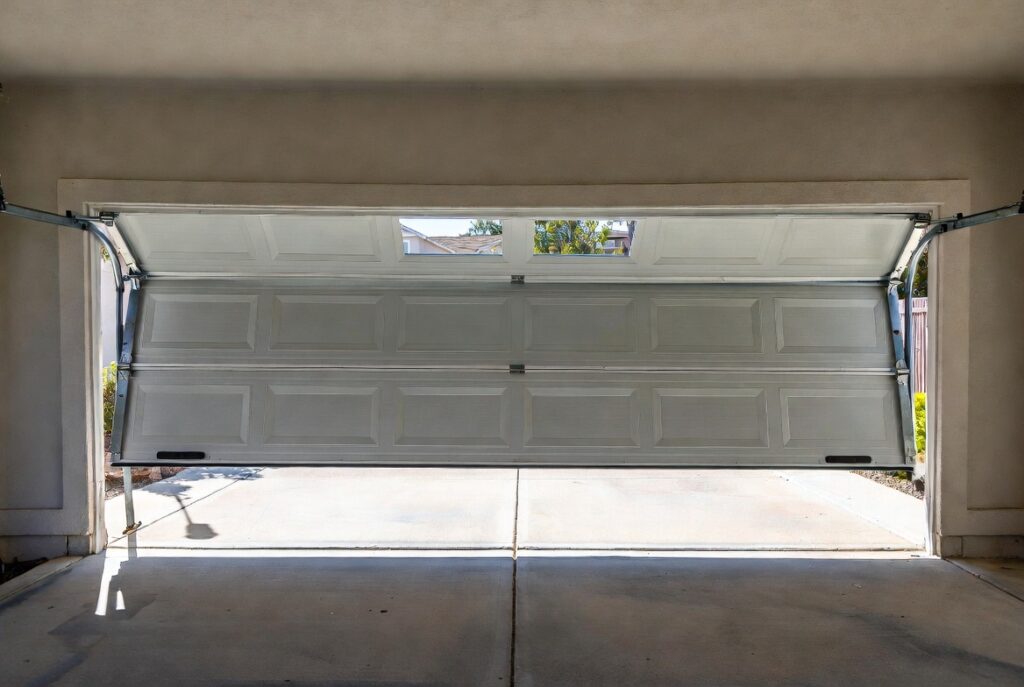
You press the remote, the garage door starts closing normally… and then suddenly it stops and goes back up. No warning, no obvious reason—just an annoying reversal right before it touches the ground.
If this sounds familiar, you’re not dealing with a rare problem. This is one of the most common garage door behaviour issues homeowners face, especially in areas like Northern Virginia where weather, dust, and seasonal changes constantly affect mechanical systems.
The good news? In most cases, the problem is not as serious as it feels. But ignoring it can create bigger safety risks and inconvenience over time.
Let’s break down exactly why this happens—and what your garage door is trying to “tell” you.
What Does It Mean When a Garage Door Reverses?
When a garage door reverses before closing, it is usually an indication that the system thinks something is blocking its path or the door is not closing safely.
Modern garage door systems are designed with safety mechanisms that automatically reverse the door to prevent accidents, damage, or injury.
So instead of forcing itself down, the system “protects” you by reopening.
But here’s the tricky part: the door doesn’t always need a real obstacle to trigger this response.
Common Causes of a Garage Door Reversing Before Touching the Ground
Let’s go through the most likely reasons in a simple, homeowner-friendly way.
1. Misaligned Safety Sensors
Your garage door uses photo-eye sensors near the floor. If they are slightly out of alignment, the system thinks something is in the way.
Common signs:
- Blinking sensor lights
- Door stops at the same point every time
- Works sometimes, fails other times
Even a small bump from a broom or a pet can knock them out of position.
2. Dirty or Blocked Sensors
Dust, spider webs, or even sunlight interference can confuse the sensors.
In real homes, this is extremely common—especially in garages that are not cleaned regularly.
3. Travel Limit Settings Are Incorrect
Your garage door opener has “travel limits” that control how far the door should go down.
If the setting is off, the system thinks the floor is an obstacle and reverses.
4. Floor Obstruction or Debris
Sometimes the issue is very simple:
- small rocks
- dirt buildup
- uneven flooring
- frozen moisture in winter
Even minor resistance near the ground can trigger a safety reversal.
5. Worn or Strained Springs
If the door is not properly balanced, the opener struggles during closing.
This imbalance can make the system “panic” and reverse for safety reasons.
6. Track Alignment Issues
Bent or misaligned tracks can cause the door to bind slightly at the bottom.
This resistance is enough to trigger the auto-reverse feature.
7. Force Settings Too Sensitive
The opener has a force sensitivity setting that controls how much resistance it allows before reversing.
If it is set too low, even normal resistance will trigger a reversal.
Quick Symptom Check Table
| Symptom | Likely Cause |
| Reverses at same spot every time | Sensor alignment or travel limits |
| Random reversal | Dirty sensors or interference |
| Heavy/strained movement | Spring or balance issue |
| Works sometimes, fails sometimes | Electrical or sensor inconsistency |
Why This Problem Should Not Be Ignored
Even though it may seem like a small inconvenience, a reversing garage door can signal deeper mechanical or safety issues.
If ignored, it can lead to:
- increased wear on the opener motor
- inconsistent door movement
- safety system failure
- complete door malfunction over time
Think of it as an early warning system—not just a glitch.
How to Fix a Garage Door That Reverses Before Closing
Here are practical steps homeowners can try before calling a technician:
Step 1: Check Sensors
- Make sure both sensors face each other
- Clean lenses gently
- Ensure no obstruction between them
Step 2: Inspect the Floor Area
Remove anything near the closing path.
Step 3: Test Door Balance
Disconnect the opener and manually lift the door.
It should stay halfway open without dropping.
Step 4: Adjust Force Settings
If your opener allows it, slightly increase closing force sensitivity.
Step 5: Reset the Opener
Sometimes recalibrating travel limits resolves the issue completely.
When You Should Be Careful
Stop troubleshooting and avoid forcing the system if:
- door slams or jerks suddenly
- springs look stretched or damaged
- door feels extremely heavy
- cables appear loose or off-track
These are safety-critical components.
Prevention Tips
To avoid this issue in the future:
- Clean sensor lenses monthly
- Keep tracks free of debris
- Lubricate moving parts regularly
- Schedule seasonal inspections
- Avoid hitting sensors with tools or vehicles
A well-maintained garage door system is far less likely to behave unpredictably.
FAQs
Why does my garage door go back up immediately after closing?
This usually happens due to sensor misalignment or an obstruction detected near the ground.
Can weather affect garage door closing issues?
Yes. Cold temperatures and humidity can affect sensors, metal expansion, and track movement.
Is it safe to keep using a reversing garage door?
It’s safe temporarily, but it indicates an issue that should be diagnosed soon.
Do I need to replace my garage door if it keeps reversing?
Not necessarily. Most cases are related to sensors, settings, or minor mechanical adjustments.
Why does my garage door only reverse at night?
This can be caused by light interference or sensor reflection issues in low lighting.