
Get Support
+1 (703) 665-8657
 By:
By: 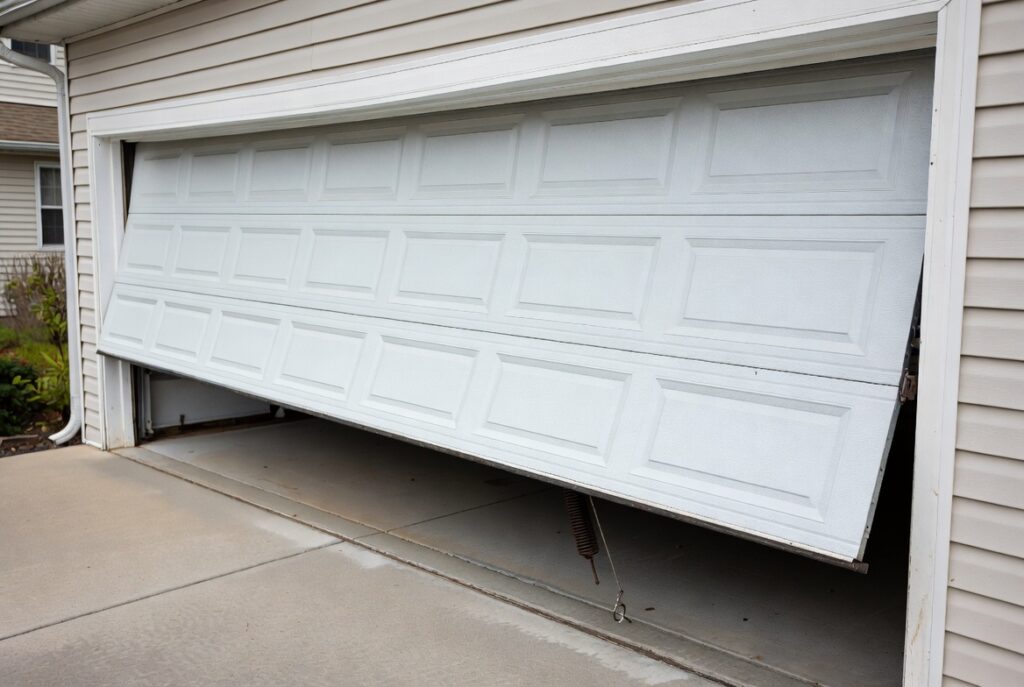
Your garage door is more than just an entrance—it’s a key part of your home’s safety, convenience, and curb appeal. But if your door feels jerky, drags on the floor, or seems “off balance,” it can quickly turn from a convenience into a headache.
As a Northern Virginia homeowner, you want your garage door to open and close smoothly, quietly, and reliably every time. In this guide, we’ll show you exactly how to test and balance your garage door for smooth operation, using simple, safe steps that anyone can follow—even if you’re not a DIY expert.
Why Balancing Your Garage Door Matters
A garage door that’s out of balance can cause more than just a noisy operation. Some of the most common problems include:
- Excessive wear on springs and rollers
- Strain on the opener motor
- Doors that suddenly drop or slam
- Difficulty opening manually in a power outage
Balancing your garage door keeps it operating safely, prevents costly repairs, and ensures your home remains secure. Think of it like aligning your car’s wheels—when everything is balanced, the ride is smooth and stress-free.
Common Signs Your Garage Door Needs Balancing
Here’s what to look for if you suspect your garage door is out of balance:
| Symptoms | Possible Cause |
| The door won’t stay open halfway | Springs may be uneven or worn |
| The door jerks or moves unevenly | Rollers or tracks misaligned |
| The door slams shut | Springs too tight or too loose |
| Opener struggles or strains | Door weight not properly balanced |
| Loud or unusual noises | Worn rollers, hinges, or springs |
If you notice any of these signs, it’s time to check your garage door balance. A small imbalance can quickly lead to bigger, more expensive problems if left unchecked.
Quick Safety Reminder
Before we dive into testing and balancing your garage door, keep in mind:
- Garage doors are heavy—they can weigh hundreds of pounds.
- Springs are under extreme tension and can be dangerous.
- Always use safety gear like gloves and goggles.
- Disconnect the opener before working on the door.
If at any point you feel unsure or unsafe, it’s always better to call a licensed garage door professional in Northern Virginia.
How to Test Your Garage Door Balance: Step by Step
Testing your garage door balance is simpler than you might think. Here’s a clear, step-by-step guide you can follow safely.
1. Disconnect the Opener
Start by pulling the manual release cord—usually a red cord hanging from the opener trolley. This allows you to operate the door manually without interference from the opener.
Tip: Make sure the garage is clear of children, pets, and objects before moving the door by hand.
2. Lift the Door Halfway
Manually lift your garage door to the halfway point. Stop and release your grip carefully.
What to watch for:
- If the door stays in place, your springs are likely balanced.
- If the door drifts up or down, your door is out of balance.
3. Observe the Door Movement
Open and close the door slowly by hand. Listen and watch for these signs:
- Jerky movement
- Tilting to one side
- Dragging along the floor or tracks
Any of these indicate that your garage door may need adjustment or maintenance.
4. Check for Uneven Springs
If the door drifts, inspect the torsion or extension springs.
- Torsion springs: Mounted above the door; balance the lifting force via twisting.
- Extension springs: Located on the sides of the door; balance the lifting force by stretching.
Look for signs of wear, rust, or uneven tension. A spring that looks stretched more on one side is a clear culprit.
Safety note: Do not attempt to adjust springs yourself unless you are trained—springs store massive energy and can cause serious injury.
5. Inspect Rollers and Tracks
Sometimes the imbalance is not in the springs but in rollers or tracks.
- Check rollers for cracks, flat spots, or excessive wear.
- Make sure tracks are aligned and free from debris.
- Tighten loose bolts and brackets.
Even small misalignments can create uneven movement and make the door feel out of balance.
6. Test the Door Weight
Once you’ve visually inspected your door and springs, check how much force it takes to lift the door manually:
- A properly balanced door should lift smoothly with one hand.
- If it feels heavy on one side, that side may need spring adjustment.
- If it’s too easy to lift, the springs may be too tight or overstretched.
7. Reconnect and Test the Opener
After testing manually, reconnect your garage door opener. Run the door a few cycles and watch for smooth operation.
Pro tip: Listen for straining noises or hesitation. If you notice any, it’s a signal that the door balance is still off.
How to Maintain a Balanced Garage Door
Once your garage door is balanced, keeping it that way is mostly about routine maintenance. Here’s what you can do:
- Lubricate Moving Parts – Apply silicone-based garage door lubricant to rollers, hinges, and springs every 6 months.
- Tighten Loose Hardware—Check bolts, screws, and brackets regularly.
- Inspect Tracks – Keep tracks clean and aligned; remove debris immediately.
- Test the Door Periodically—Lift the door halfway every few months to ensure it holds position.
- Replace Worn Components – Rollers, springs, and cables naturally wear out. Replacing them promptly prevents imbalance.
When to Call a Professional in Northern Virginia
Some garage door issues are too dangerous to tackle on your own. Consider calling a garage door service professional if you notice:
- Broken, rusted, or stretched springs
- Severe imbalance or tilting of the door
- Damaged cables or open-ended drums
- Opener struggling despite balanced springs
- Loud banging or snapping noises
A licensed professional in Northern Virginia will have the right tools, safety training, and experience to restore your door safely and efficiently.
Local Northern Virginia Garage Door Expertise
We specialise in garage door maintenance, repair, and balancing services across Northern Virginia. Whether it’s routine lubrication, spring replacement, or full inspection, our trained technicians ensure your door operates smoothly and safely.
Call us today to schedule a professional garage door check-up or repair in Northern Virginia—we’ll keep your door running like new!
Final Thoughts
A well-balanced garage door is quieter, safer, and easier to operate. Testing your garage door for balance is simple, but correcting serious imbalance often requires professional experience—especially when springs are involved.
As a Northern Virginia homeowner, taking a few minutes to check your garage door balance can save you from costly repairs, prevent injuries, and give you peace of mind knowing your home is secure.
If your door feels off, don’t wait—schedule a professional garage door service today and enjoy smooth, reliable operation for years to come.
Frequently Asked Questions
Q1: How often should I test my garage door balance?
A: Every 6 months is ideal, or whenever you notice uneven movement, dragging, or unusual noises.
Q2: Can I adjust the springs myself?
A: It’s not recommended. Garage door springs are under extreme tension and can cause serious injury. Always hire a professional.
Q3: Why does my garage door drift even after balancing?
A: Possible causes include worn rollers, uneven tracks, or old springs that need replacement.
Q4: What is the easiest way to tell if my door is balanced?
A: Lift it manually to the halfway point. If it stays in place, your door is properly balanced.
Q5: How much does professional garage door balancing cost in Northern Virginia?
A: Costs vary depending on the door type and condition.