
Get Support
+1 (703) 665-8657
 By:
By: 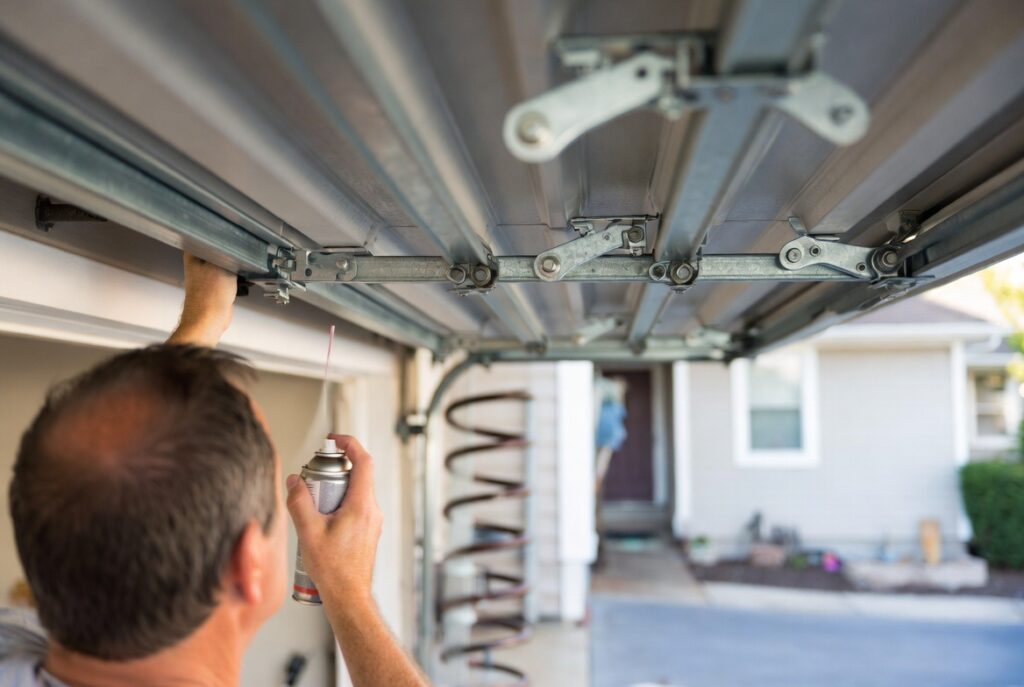
Why This Simple Task Actually Matters
A noisy or stiff garage door is something most homeowners ignore until it gets worse. In many cases, the problem is not a major breakdown but simply lack of proper lubrication. When metal parts start rubbing without protection, friction builds up, movement becomes rough, and strange sounds start showing up.
Learning how to lubricate a garage door the right way helps you avoid unnecessary stress, costly repairs, and daily frustration. It also improves safety and extends the life of your entire system.
This guide breaks everything down in a simple, practical way so you can confidently handle it yourself.
Why Garage Door Lubrication Is Important
A garage door is not just a single panel moving up and down. It is a complete mechanical system made of rollers, hinges, springs, bearings, and tracks working together under constant pressure.
Without lubrication:
- Metal parts grind against each other
- Noise increases over time
- Movement becomes uneven
- Wear and tear accelerates
- Opener motor works harder than necessary
Most homeowners in busy areas like Northern Virginia notice issues, especially during seasonal temperature changes when metal expands and contracts.
Common Signs Your Garage Door Needs Lubrication
Before doing anything, check if your door is already giving signals.
Typical symptoms include the following:
- Squeaking or grinding noises during movement
- Door feels heavier than usual
- Jerky or uneven lifting
- Delayed response from opener
- Visible dryness or rust on moving parts
If you notice these signs, lubrication is usually the first and simplest fix.
Tools and Products You Actually Need
Using the right product is very important. Wrong choices can attract dust or damage components.
Recommended:
- Silicone-based spray lubricant
- White lithium grease (for heavy metal areas)
- Clean microfiber cloth
- Small brush for cleaning dirt
- Step ladder
Avoid:
- WD-40 for long-term use
- Engine oil or thick grease on tracks
- Random household oils
Understanding Garage Door Parts Before You Start
To lubricate properly, you should know what each part does.
Key components:
- Rollers: Help the door glide smoothly along tracks
- Hinges: Allow bending between door panels
- Springs: Support the weight of the door
- Bearings: Reduce friction in rotating parts
- Tracks: Guide the door movement
Each part requires different care, so applying lubricant randomly is not effective.
Step-by-Step: How to Lubricate a Garage Door the Right Way
Step 1: Disconnect the Opener
For safety, disconnect the automatic opener before starting. This prevents accidental activation while you are working.
Step 2: Clean All Moving Parts
Lubrication works best on clean surfaces.
- Wipe rollers and hinges
- Remove dust and old grease
- Clear debris from metal joints
This step improves lubricant performance significantly.
Step 3: Lubricate the Rollers
Apply a small amount of silicone spray directly onto the roller bearings. Do not overspray and avoid coating the track itself.
If rollers are nylon, use a very light application only.
Step 4: Lubricate Hinges
Spray lubricant at hinge joints where metal moves against metal. Open and close the door manually a few times so the lubricant spreads evenly.
Step 5: Lubricate Springs Carefully
Springs carry heavy tension, so light application is enough.
- Spray a thin layer along torsion springs
- Avoid soaking or over-applying
This reduces noise and prevents rust buildup.
Step 6: Lubricate Bearings and Metal Contact Points
Use white lithium grease for bearings and pulley systems. These parts handle heavy load and need slightly thicker protection.
Step 7: Remove Excess Lubricant
Wipe away extra oil or spray. Too much lubricant can attract dust and create buildup over time.
Step 8: Test the Door
Reconnect the opener and run the door a few times. It should move smoothly without noise or hesitation.
Quick Reference Guide
| Component | Lubricant Type | Frequency |
| Rollers | Silicone spray | Every 6 months |
| Hinges | Silicone spray | Every 6 months |
| Springs | Light silicone spray | 6–12 months |
| Bearings | Lithium grease | Yearly |
Common Mistakes to Avoid
Many homeowners unknowingly make errors during lubrication.
Avoid these:
- Applying lubricant on tracks
- Using too much product
- Skipping cleaning before application
- Ignoring springs
- Using incorrect oil types
These mistakes often make the problem worse instead of solving it.
How Often Should You Do It
For most homes, lubrication every six months is enough. If your garage door is used multiple times daily, you may need maintenance every three to four months.
Seasonal changes also affect performance, so checking before winter and summer is a good habit.
Preventive Maintenance Tips
To keep your garage door in good condition:
- Listen for unusual sounds early
- Keep tracks clean and dust-free
- Check loose bolts occasionally
- Inspect rollers for wear
- Follow a regular lubrication schedule
Small efforts prevent bigger issues later.
Final Thoughts
Knowing how to lubricate a garage door the right way is one of the easiest but most effective maintenance skills for homeowners. It improves performance, reduces noise, and helps avoid unnecessary repairs.
If your door still feels rough or noisy even after lubrication, the issue may be deeper and related to worn components or alignment problems.
FAQs
What is the best lubricant for garage doors?
Silicone spray and white lithium grease are the most effective options for smooth and long-lasting performance.
Can I use WD-40 on my garage door?
It is not recommended for long-term lubrication because it evaporates quickly and does not provide lasting protection.
Why is my garage door still noisy after lubrication?
Possible causes include worn rollers, loose hardware, or misaligned tracks.
Should garage door tracks be lubricated?
No, tracks should only be cleaned, not lubricated.
How often should I lubricate my garage door?
Every 6 months is ideal for most homes.