
Get Support
+1 (703) 665-8657
 By:
By: 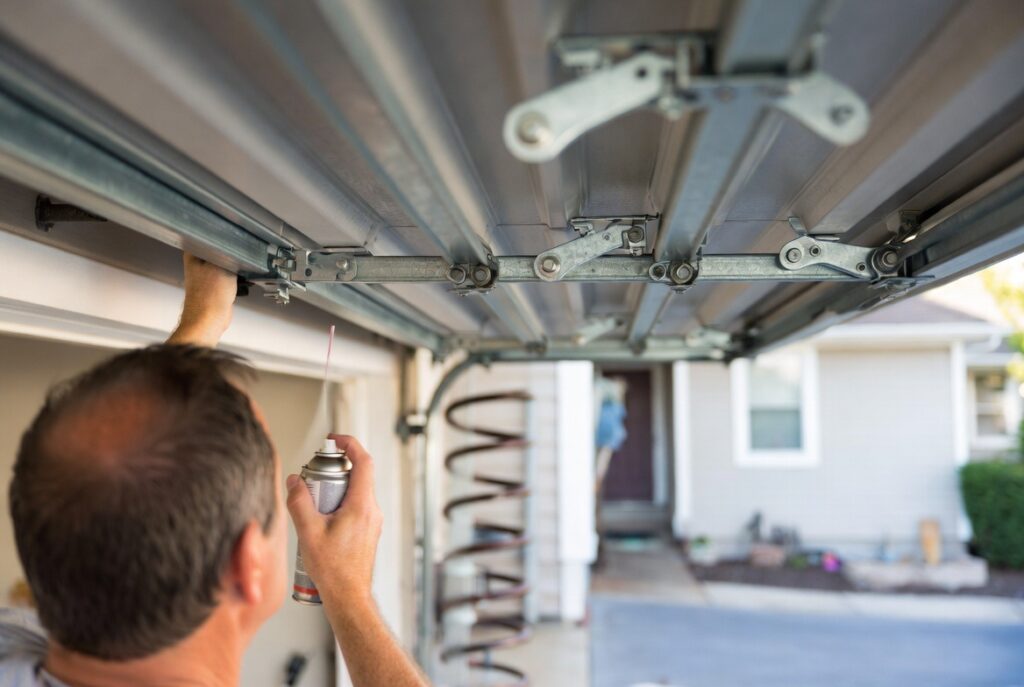
If you’ve ever struggled with a garage door that feels heavy, jerky, or refuses to open properly, you’ve likely wondered, “How does a garage door spring work?” For most homeowners in Northern Virginia, garage doors are taken for granted—until something goes wrong. Then, the door suddenly becomes the centrepiece of frustration.
Garage door springs are the unsung heroes of your garage system. They bear the weight of the door, balance its movement, and make opening and closing effortless. But when a spring fails—or simply ages—it can leave you stuck outside, dealing with a heavy, uncooperative door.
In this guide, we’ll break down how garage door springs work, common signs of wear or failure, safety tips, and when it’s time to call a professional. By the end, you’ll understand your garage door better and know how to keep it running safely in Northern Virginia.
What Is a Garage Door Spring?
A garage door spring is a metal coil that stores mechanical energy to assist in opening and closing your garage door. Most residential doors use torsion springs mounted above the door or extension springs along the tracks.
In simple terms, the spring does the heavy lifting for you. Without it, your door would weigh hundreds of pounds—impossible to lift manually. The spring counterbalances the door’s weight, allowing the opener (or your muscles) to move the door smoothly and safely.
How Does a Garage Door Spring Work?
Garage door springs work through stored tension. Here’s how the two main types operate:
1. Torsion Springs
- Mounted above the door on a metal shaft.
- Twisted tightly when the door is closed.
- As you open the door, the spring unwinds, releasing energy to lift the door.
- Provides smooth, balanced operation.
2. Extension Springs
- Mounted along the sides of the door tracks.
- Stretch when the door is closed.
- Contract to lift the door when opening.
- Easier to install but generally less durable than torsion springs.
Think of your spring like a giant, carefully tuned rubber band. Too little tension, and the door won’t lift; too much, and the spring could be dangerous if it snaps.
Common Signs Your Garage Door Spring Needs Attention
Springs are under extreme tension and can wear out over time. Here are some warning signs:
- The door feels heavy or hard to lift manually
- Loud bangs or snapping noises
- The door opens unevenly or jerks during motion
- Visible gaps in the coil or a stretched-out spring
- Opener strain: the motor struggles or hums
Quick Reference Table: Garage Door Spring Issues
| Symptom | Likely Cause | What to Do |
| The door is heavy or won’t stay up | Worn torsion spring | Call a professional |
| Loud snapping sound | Broken spring | Evacuate area, call pro immediately |
| Uneven door movement | Spring tension imbalance | Schedule spring adjustment |
| Motor struggles | Weak or broken spring | Check spring before replacing motor |
| Visible gaps or rust | Aging spring | Consider replacement |
How to Troubleshoot and Understand Spring Mechanics
While you should never attempt a full repair yourself (we’ll get to safety tips soon), you can understand the mechanics and spot potential problems.
Step 1: Inspect the Springs
- Look above the door for torsion springs or along tracks for extension springs.
- Check for gaps, rust, or wear.
- Observe the door’s movement: uneven or jerky motion often points to spring issues.
Step 2: Test Door Balance
- Disconnect the opener by pulling the emergency release cord.
- Lift the door manually halfway.
- If it falls or feels very heavy, the spring may be too weak.
Step 3: Listen and Observe
- A properly functioning spring should operate quietly and smoothly.
- Squeaks, snaps, or grinds indicate friction or fatigue.
Step 4: Note the Age
- Most garage door springs last 7–12 years, depending on usage.
- Heavily used doors may need replacement sooner, especially in homes with multiple daily openings like those in Northern Virginia’s busy neighborhoods.
Garage Door Spring Safety Tips
Garage door springs store massive energy and can cause severe injury if mishandled. Always follow these precautions:
- Never attempt spring removal or replacement yourself
- Keep children and pets away from the garage door area
- Disconnect power to the opener before inspection
- Use proper tools if only doing a visual check
- Stand clear of springs while operating the door manually
Even small adjustments can be dangerous without professional tools and training.
When to Call a Professional
Garage door spring issues are not DIY-friendly. Call a professional if you notice:
- The door refuses to stay open or feels heavy
- Snapping, loud bangs, or broken springs are visible
- Opener motor struggles despite a functional door
- Rusted, stretched, or visibly damaged springs
- You’re unsure of spring type or tension
Northern Virginia homeowners benefit from local garage door experts who understand typical spring wear, regional climate effects, and best replacement practices.
Understanding Spring Lifespan and Maintenance
Springs generally last 10,000–20,000 cycles—each cycle is a full open-and-close movement. For families using their garage 3–5 times per day, that translates roughly to 7–10 years of life.
Regular maintenance can extend this lifespan:
- Lubricate springs and moving parts 1–2 times per year
- Check door balance and alignment
- Keep tracks clear of debris
- Schedule professional inspection every couple of years
Why Spring Replacement Matters
Failing springs can damage other door components or your opener. Ignoring a worn spring may lead to:
- Opener burnout
- Door falling unexpectedly
- Bent tracks or rollers
- Safety hazards for family and pets
Timely replacement prevents accidents and extends the life of your entire garage door system.
If you’re in Northern Virginia and notice your garage door struggling, our trained team can inspect, adjust, or replace your springs safely. From minor tension tweaks to full spring replacement, we ensure your door operates smoothly and safely—so you never get stuck outside again.
Garage door springs are small but powerful parts of your home. Understanding how a garage door spring works helps you spot issues early, maintain balance, and stay safe. In Northern Virginia, where weather changes and frequent use can accelerate wear, staying proactive with spring maintenance and professional inspections ensures smooth, reliable garage door operation for years to come.
FAQs: How Does a Garage Door Spring Work?
1. How long do garage door springs last?
Most springs last 7–12 years depending on use, climate, and maintenance.
2. Can I lubricate my garage door spring myself?
Yes, light lubrication helps, but never attempt tension adjustments yourself.
3. Why does my garage door feel heavy even when the opener is working?
A worn or broken spring may not provide enough counterbalance, putting extra strain on the opener.
4. What’s the difference between torsion and extension springs?
Torsion springs are mounted above the door and twist; extension springs stretch along the tracks.
5. Can a broken spring damage my garage door?
Yes, it can lead to opener strain, bent tracks, and potential safety hazards. Immediate professional replacement is recommended.