
Get Support
+1 (703) 665-8657
 By:
By: 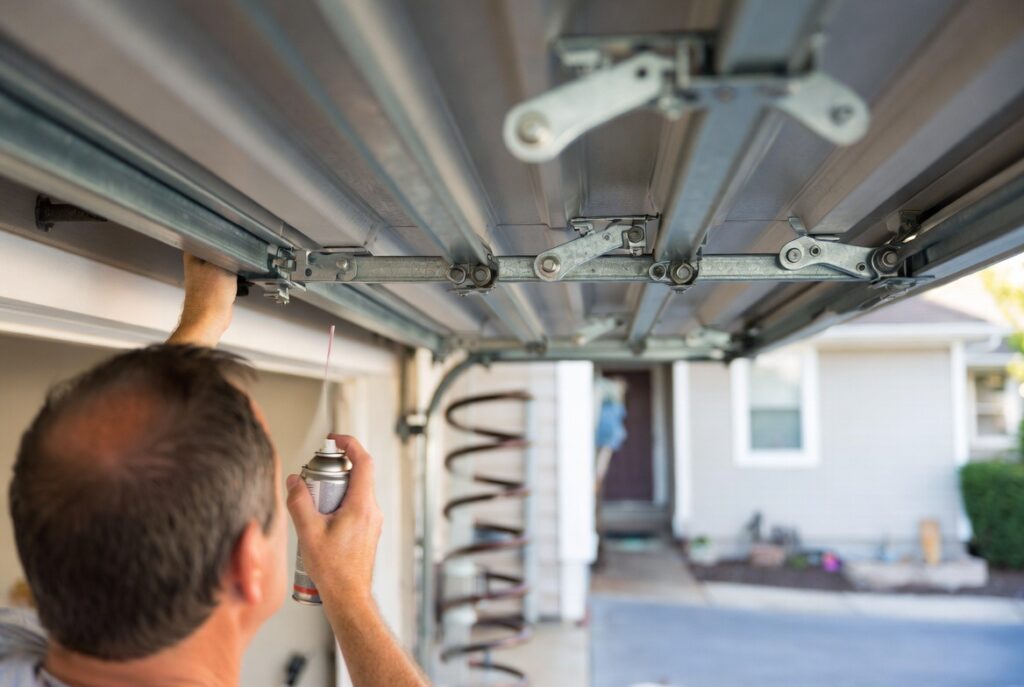
If you live in Northern Virginia, you know how important a reliable garage door is. Whether it’s for leaving for work, returning home, or securing your vehicles, a garage door that gets stuck can be frustrating, stressful, and even dangerous.
As a homeowner, you might have experienced that moment when your door won’t budge, makes strange noises, or stops midway. The good news is most stuck garage doors can be prevented with simple maintenance and awareness. In this guide, we’ll explore why garage doors get stuck, common causes, preventative measures, and when to call a professional.
Understanding the Problem: Why Garage Doors Get Stuck
A garage door is a complex system of springs, cables, rollers, tracks, and motors. Over time, wear and tear, environmental factors, or lack of maintenance can cause the door to jam.
Some common homeowner frustrations include:
- The door stops moving halfway
- The door moves slowly or unevenly
- Loud grinding or squeaking sounds during operation
- The door won’t respond to the remote or wall switch
When ignored, these issues can lead to costly repairs or unsafe situations. Understanding the underlying causes is the first step toward prevention.
Common Causes and Signs of a Stuck Garage Door
1. Dirty or Damaged Tracks
- Cause: Dust, debris, or rust in the tracks can prevent smooth operation. Bent tracks also create alignment problems.
- Signs: Door hesitates or jerks while moving; unusual grinding noises.
2. Worn or Dry Rollers
- Cause: Rollers can wear down over time or lose lubrication, causing friction.
- Signs: Squeaking, jerky movement, or one side of the door moving faster than the other.
3. Faulty Springs or Cables
- Cause: Springs lose tension, or cables fray, making the door heavy or uneven.
- Signs: The door falls too quickly, stops midway, or is difficult to lift manually.
4. Malfunctioning Opener
- Cause: Electrical issues or worn gears in the garage door opener can prevent smooth operation.
- Signs: Door moves slowly, stops, or responds inconsistently to controls.
5. Obstructions
- Cause: Objects, ice, snow, or even small debris in the door path.
- Signs: The door halts suddenly, and the reverse sensor triggers repeatedly.
Quick Reference Table: Garage Door Stuck Issues
| Symptom | Possible Cause | Quick Fix | When to Call a Professional |
| Door stops midway. | Dirty tracks or worn rollers | Clean tracks and lubricate rollers | If door won’t move or is heavy |
| The door moves unevenly | Broken springs or cables | Inspect visually and tighten minor issues | If springs or cables are frayed/broken |
| Loud grinding noises | Worn gears in opener or dry rollers | Lubricate or tighten hardware | If opener motor is damaged |
| The door won’t respond | Opener malfunction | Check power supply and reset the opener. | If wall switch and remote fail |
| The door reverses unexpectedly | Obstructions or misaligned sensors | Clear the path and adjust the sensors. | If sensors fail repeatedly |
Step-by-Step Troubleshooting and Prevention
Maintaining your garage door can prevent most stuck-door issues. Here’s a simple step-by-step guide:
Step 1: Inspect the Tracks
- Examine both sides of the door track for debris, rust, or bends.
- Clean tracks with a damp cloth and mild detergent.
- Avoid using heavy oils—silicone-based lubricants work best.
Step 2: Check and Lubricate Rollers
- Rollers should spin freely without resistance.
- Apply garage-door-safe lubricant to roller bearings.
- Replace rollers if the wheels are cracked or worn or the metal ones are rusted.
Step 3: Inspect Springs and Cables
- Look for frayed cables or stretched/twisted springs.
- Never attempt to adjust or replace springs yourself—they are under high tension and can cause serious injury.
Step 4: Test the Opener
- Ensure the opener has power and check the wall switch.
- Listen for unusual grinding or clicking sounds.
- If the opener seems weak or inconsistent, schedule a professional inspection.
Step 5: Check for Obstructions
- Make sure the garage floor and track area are clear of objects, snow, ice, or debris.
- Ensure the safety sensors are properly aligned and clean.
Step 6: Regular Maintenance
- Lubricate moving parts at least twice a year.
- Perform a visual inspection of springs, cables, and rollers.
- Test the door’s balance by disconnecting the opener and lifting manually—the door should stay in place halfway.
Safety Tips for Garage Door Operation
Garage doors can weigh 150–400 pounds, so safety is essential:
- Never stand under a moving door.
- Keep children and pets away while operating manually.
- Avoid forcing a stuck door—it can damage springs, cables, or rollers.
- Use gloves to protect your hands from sharp edges.
- If springs or cables are damaged, call a licensed professional immediately.
When to Call a Professional
Some situations require the expertise of a trained garage door technician:
- Broken or frayed springs/cables
- Bent tracks or stuck rollers
- Opener motor failure
- Persistent door sticking despite cleaning and lubrication
- Door falling too quickly or unevenly
In Northern Virginia, having a trusted local technician ensures the door operates smoothly, safely, and reliably, preventing emergencies.
Preventive Measures to Avoid a Stuck Garage Door
- Regular Cleaning: Wipe down tracks, rollers, and sensors at least twice a year.
- Lubrication: Use silicone-based lubricants for rollers, hinges, and springs.
- Professional Inspection: Schedule annual maintenance with a licensed garage door service.
- Avoid Overloading: Don’t hang objects on the door or opener.
- Check Balance: Disconnect the opener and lift the door manually—balanced doors stay in place halfway.
- Monitor Opener Performance: Replace worn gears, frayed wires, or old openers before failure.
For Northern Virginia homeowners, a stuck garage door can disrupt your day and pose safety risks. We provide:
- Emergency garage door repairs
- Maintenance and lubrication services
- Spring, cable, and roller replacement
- Professional opener inspections and repairs
Call us today to ensure your garage door operates smoothly and safely—don’t wait for a small issue to become a big problem!
Final Thoughts
A garage door that gets stuck can be more than just an inconvenience—it can affect your safety, daily routine, and home security. Understanding why garage doors get stuck and how to prevent it keeps your Northern Virginia home running smoothly. With regular inspections, proper lubrication, and professional support, you can avoid most stuck-door scenarios and ensure your garage door operates safely and reliably for years to come.
Frequently Asked Questions
Q1: How often should I maintain my garage door?
A: Inspect and lubricate at least twice a year, ideally in spring and fall, or after storms.
Q2: Can I fix a stuck garage door myself?
A: Minor issues like debris or lubrication can be DIY, but springs, cables, and opener problems should be handled by professionals.
Q3: Why does my garage door stick only sometimes?
A: Seasonal changes, debris, or low lubrication can cause intermittent sticking. Regular maintenance prevents this.
Q4: Are there warning signs before a garage door gets stuck completely?
A: Yes—grinding noises, uneven movement, jerking, and slow response are early indicators.
Q5: What type of lubricant is best for a garage door?
A: Use silicone-based lubricants or garage-door-specific lubricants. Avoid WD-40, which can attract dust.