
Get Support
+1 (703) 665-8657
 By:
By: 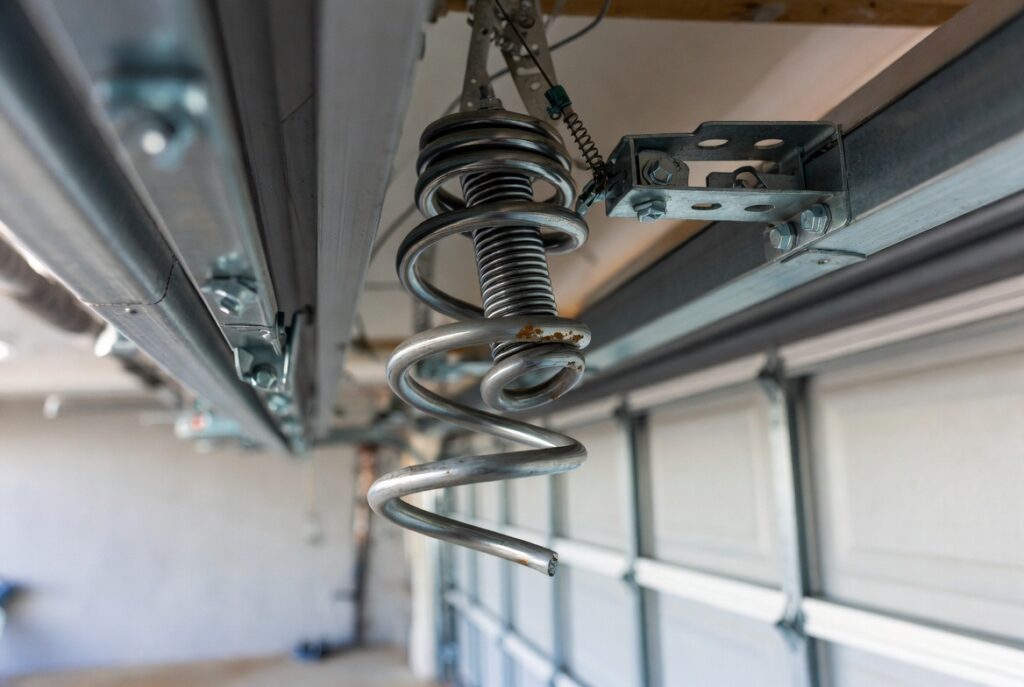
The Loud “Bang” Homeowners Never Forget
For many homeowners in Northern Virginia, it happens without warning.
You’re inside the house when suddenly you hear a loud metallic BANG from the garage. At first, it sounds almost like something exploded. Then the garage door refuses to open. Or maybe it lifts a few inches and stops. That moment usually leads to the same Google search:
“How much does garage door spring replacement cost in Virginia?”
And honestly, it’s a fair question—because pricing can vary more than most people expect.
Some homeowners pay far less than expected. Others end up spending significantly more because the issue wasn’t caught early or the wrong type of spring was installed years ago.
This guide breaks everything down in a simple, homeowner-friendly way:
- average spring replacement costs in Virginia
- what affects pricing
- signs your springs are failing
- safety considerations
- common mistakes homeowners make
- ways to extend spring lifespan
Let’s start with the basics.
What Do Garage Door Springs Actually Do?
Garage door springs are responsible for counterbalancing the heavy weight of the door.
Without them:
- the opener struggles
- the door becomes dangerously heavy
- movement becomes uneven
- the entire system experiences strain
Most residential garage doors weigh between 130 and 400 pounds.
The springs—not the opener—do most of the lifting work.
That’s why spring failure instantly affects how the entire garage system behaves.
How Much Does Garage Door Spring Replacement Cost in Virginia?
This is the question homeowners care about most.
In Virginia, the average garage door spring replacement cost typically ranges between:
| Spring Type | Typical Virginia Cost Range |
| Single torsion spring | $180 – $350 |
| Double torsion springs | $250 – $500 |
| Extension springs | $150 – $300 |
| High-cycle premium springs | $300 – $650 |
These estimates usually depend on:
- spring type
- garage door size
- cycle rating
- labor complexity
- emergency timing
- overall system condition
Northern Virginia homeowners often pay slightly more than those in rural areas due to higher labour costs and demand.
Why Garage Door Spring Pricing Varies So Much
Many homeowners are surprised that one quote differs dramatically from another.
Here’s why.
1. Type of Spring System
There are two primary spring systems:
Torsion Springs
Mounted above the garage door.
These are:
- more durable
- smoother during operation
- commonly used on modern systems
Extension Springs
Located along the side tracks.
These are:
- less expensive initially
- older in design
- more prone to wear and imbalance
Torsion systems usually cost more but often last longer.
2. Size and Weight of the Garage Door
A lightweight aluminium door places far less stress on springs than:
- insulated steel doors
- oversized doors
- wood garage doors
Heavier doors require stronger springs with higher tension ratings.
3. Spring Cycle Rating
Garage door springs are rated by cycles.
One cycle = one full open and close.
Common Ratings
| Spring Type | Estimated Lifespan |
| Standard springs | 10,000 cycles |
| Mid-grade springs | 20,000 cycles |
| High-cycle springs | 30,000+ cycles |
Families using the garage as the primary entrance wear springs faster than expected.
4. Emergency Timing
A spring issue at:
- night
- weekends
- holidays
can significantly increase labor pricing.
Emergency calls often come with premium service fees.
5. Additional Wear Inside the System
Sometimes the spring itself isn’t the only issue.
Worn components may include:
- cables
- rollers
- bearings
- center brackets
- hinges
These issues increase total project cost if discovered during inspection.
Signs Your Garage Door Springs Are Failing
Spring failure rarely happens completely out of nowhere.
The warning signs usually appear gradually.
The Door Feels Extremely Heavy
This is one of the clearest signs.
If the opener struggles or manual lifting suddenly feels difficult, the springs may no longer counterbalance the weight properly.
Loud Snapping or Popping Sounds
Homeowners often describe spring failure as:
- a gunshot sound
- a metal bang
- a sudden crack
That noise usually indicates a broken torsion spring.
Crooked or Uneven Door Movement
If one side rises faster than the other, spring tension may be uneven.
The Garage Door Opens a Few Inches Then Stops
This happens because the opener senses abnormal resistance.
Visible Gap in the Spring
A broken torsion spring often shows a clear separation in the coil.
Why Spring Problems Should Never Be Ignored
Garage door springs operate under extremely high tension.
Ignoring wear can lead to:
- sudden breakage
- opener strain
- cable damage
- unsafe door movement
- complete operational failure
This isn’t just a convenience issue—it’s a safety concern.
Safety Warning: Why DIY Spring Replacement Is Risky
This is one garage door component homeowners should treat very carefully.
Torsion springs contain intense stored energy.
Improper handling can cause the following:
- severe hand injuries
- facial injuries
- flying metal components
- loss of control of the door
Many online tutorials make spring replacement appear simple.
It isn’t.
Even experienced DIY homeowners often underestimate the tension involved.
Common Causes of Premature Spring Wear
Many springs wear out faster than expected because of environmental and usage factors.
Frequent Daily Use
Modern households use garage doors constantly:
- commuting
- deliveries
- school schedules
- storage access
More cycles = faster spring fatigue.
Poor Lubrication
Dry springs create friction and internal stress.
Northern Virginia Weather Changes
Seasonal temperature fluctuations can affect metal expansion and tension consistency.
Humidity also increases rust risk over time.
Unbalanced Garage Doors
If the door becomes uneven, springs absorb extra stress during movement.
Incorrect Spring Sizing
Improperly matched springs wear out significantly faster.
How Long Do Garage Door Springs Usually Last?
For most Virginia homeowners:
- standard springs last 7–10 years
- high-cycle springs can last much longer
But lifespan depends heavily on usage frequency.
A household using the garage 8–10 times daily will shorten spring life faster than occasional use.
Preventive Maintenance Tips
You can help extend spring lifespan with consistent maintenance habits.
Lubricate Springs Lightly
Use garage-door-safe lubricant several times yearly.
Avoid heavy grease products.
Listen for Changes
Sudden:
- squeaking
- jerking
- imbalance
- opener strain
often indicate spring stress early.
Keep the Door Balanced
An unbalanced door forces springs to overwork.
Schedule Seasonal Inspections
Regular inspections help identify:
- tension problems
- rust formation
- cable wear
- uneven movement
before total failure occurs.
Common Homeowner Mistakes
Ignoring Early Warning Signs
Most homeowners wait until the door stops functioning entirely.
Replacing Only One Spring
On dual-spring systems, both springs usually age together.
Replacing only one often creates uneven performance.
Using the Garage Door After Spring Failure
This places major strain on the opener and other components.
Buying Cheap Low-Cycle Springs
Lower-cost springs may save money initially but wear out much faster.
Real-Life Homeowner Scenario
A homeowner notices the garage door feels heavier for weeks but ignores it because the opener still works.
One cold winter morning, the spring snaps.
Now:
- the car is trapped inside
- the opener strains heavily
- cables loosen unevenly
- emergency scheduling becomes necessary
What could have been handled proactively becomes a stressful same-day issue.
This happens constantly.
Conclusion
Understanding garage door spring replacement cost in Virginia helps homeowners make smarter decisions before problems become emergencies.
The actual cost depends on:
- spring type
- cycle rating
- door weight
- labor timing
- overall system condition
But beyond pricing, the bigger issue is safety and long-term reliability.
Springs are one of the hardest-working parts of your garage door system, and ignoring early warning signs almost always leads to bigger problems later.
For Northern Virginia homeowners, staying proactive with inspections and maintenance is the best way to avoid sudden breakdowns, stressful mornings, and unexpected system strain.
FAQs
How much does garage door spring replacement cost in Virginia?
Most homeowners in Virginia pay between $180 and $500 depending on spring type and door size.
How long do garage door springs last?
Standard springs usually last around 10,000 cycles, while premium options can last much longer.
Can I replace garage door springs myself?
Because springs are under extreme tension, DIY replacement carries serious safety risks.
Why did my garage door spring break suddenly?
Most springs fail from long-term metal fatigue, wear, and repeated usage cycles.
Should both garage door springs be replaced together?
In dual-spring systems, replacing both at the same time often provides more balanced performance.