Get Support
+1 (703) 665-8657
 By:
By: 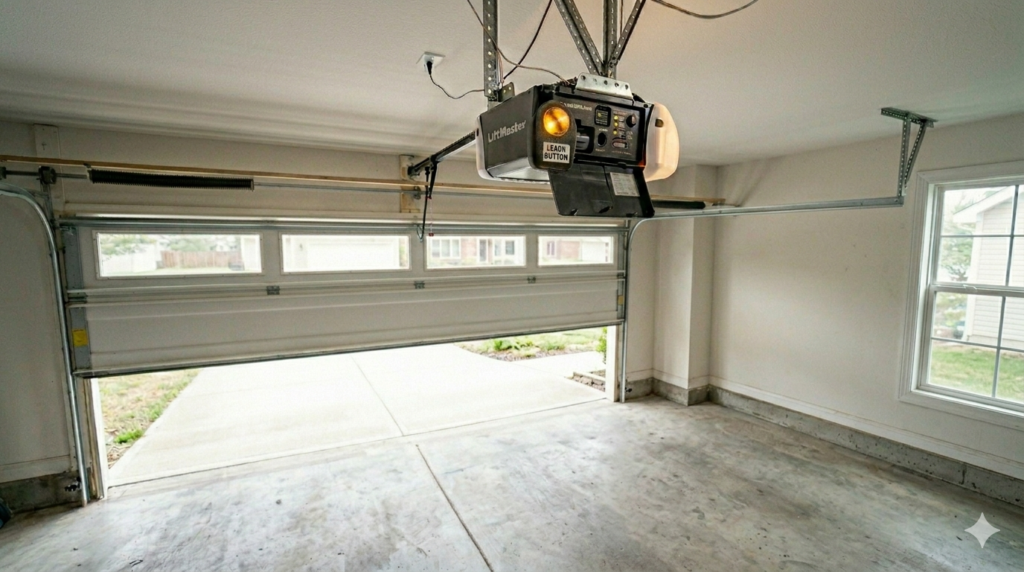
Few things are more frustrating for a homeowner than a garage door that won’t close all the way. You press the button, and the door starts to lower, but then it stops short, leaving your home partially exposed, the opener straining, and a loud noise echoing through your garage.
If you live in Northern Virginia, you understand the importance of a properly functioning garage door. Beyond convenience, a door that won’t close completely can be a security risk, a safety hazard, and a source of unnecessary wear on your opener and springs.
The good news? Most causes are fixable without replacing the entire door. In this guide, we’ll explain in simple, homeowner-friendly terms why your garage door won’t close completely and how to solve it, step by step.
Common Causes of a Garage Door That Won’t Close Fully
Before you start tinkering, it helps to understand why this happens. Garage doors are sophisticated systems with multiple moving parts. Here are the most frequent culprits:
- Obstructed or misaligned sensors – The safety eyes near the floor detect objects and prevent closure.
- Dirty or blocked tracks – Debris can stop rollers from moving smoothly.
- Worn or broken springs – Springs balance the door; if weak, the door may stop midway.
- Misaligned or loose tracks – Tracks guide the door; any misalignment prevents full closure.
- Opener issues – Faulty force settings or motor problems can stop the door.
- Remote or wall control problems – A malfunctioning button or signal interference.
Understanding the root cause is the first step to solving it safely.
Quick Reference Table: Symptoms and Likely Causes
| Symptom | Likely Cause |
| The door reverses before touching the floor | Misaligned or blocked safety sensors |
| The door stops midway | Weak springs, opener force setting, or obstruction |
| The door jerks or moves unevenly | Track misalignment or worn rollers |
| The opener motor runs but door doesn’t move fully | Broken spring or worn cables |
| The door closes partially, then reverses | Sensor dirt, wiring issues, or obstruction |
Step-by-Step Troubleshooting for Homeowners
Here’s a safe, step-by-step guide you can follow to diagnose and fix the problem. Always prioritize safety—garage doors are heavy, and springs are under extreme tension.
1. Check the Safety Sensors
Most modern garage doors have infrared safety sensors near the floor, one on each side. These sensors prevent the door from closing if something is in the path.
Steps:
- Inspect sensors for dust, spider webs, or debris.
- Clean lenses with a soft cloth.
- Ensure they are aligned: the LED lights on both sensors should be solid (not blinking).
Tip: Misaligned sensors are the #1 reason garage doors reverse unexpectedly.
2. Inspect Tracks and Rollers
- Look for dents, bends, or debris in the vertical and horizontal tracks.
- Rollers should be free of cracks or flat spots.
- Clean tracks with a dry cloth and apply silicone-based lubricant to rollers and hinges.
Safety note: Do not use oil-based lubricants—they attract dust and dirt, causing more problems.
3. Test the Springs
Springs balance the door’s weight. If they’re weak, the opener may struggle, stopping the door before it reaches the floor.
Check for:
- Gaps or uneven coils in torsion springs.
- Stretched or frayed extension springs.
- Rust or corrosion.
Important: Do not attempt to adjust or replace springs yourself unless you are trained—these are under extreme tension and can cause serious injury.
4. Adjust Opener Force Settings
Garage door openers have force and limit settings that control how far the door moves. If incorrectly set, the door may reverse prematurely.
Steps:
- Locate the force and limit dials on the opener (usually on the motor housing).
- Adjust incrementally according to your opener’s manual.
- Test after each adjustment to avoid over-tightening or excessive force.
Tip: If unsure, call a professional—incorrect settings can damage your door.
5. Check Remote and Wall Controls
- Replace batteries in remotes.
- Ensure wall buttons aren’t sticking or damaged.
- Check for signal interference from nearby devices.
Sometimes, simple control issues can prevent full closure.
6. Inspect for Obstructions
Even small objects can stop a door:
- Toys, trash, or garden tools near the threshold
- Ice or snow in Northern Virginia winters
- Loose cables or parts dangling near the tracks
Clear the area and try closing the door manually to see if the problem persists.
Safety Tips for DIY Homeowners
- Always disconnect the opener when inspecting manually.
- Wear gloves and safety glasses.
- Never stand under a partially open door—springs or cables could fail.
- Do not attempt spring repairs unless fully trained.
Following these precautions prevents accidents and injuries.
When to Call a Professional
Even with careful DIY troubleshooting, some issues require a licensed garage door technician:
- Broken or weak springs
- Severe track misalignment
- Frayed or broken cables
- Opener motor issues
- Persistent sensor problems despite cleaning
Local Northern Virginia homeowners benefit from professionals who know the local climate, common door brands, and safety codes.
Maintenance Tips to Prevent Future Issues
- Regularly clean sensors and tracks.
- Lubricate moving parts every 6 months.
- Inspect springs and cables for wear.
- Check opener settings annually.
- Keep the garage floor clear of objects that could obstruct the door.
Regular maintenance keeps your door closing completely and quietly.
If your garage door won’t close completely in Northern Virginia, don’t wait until it causes damage or poses a safety risk. We offers fast, professional garage door repair, inspection, and maintenance services throughout the area.
Call us today to schedule a service and enjoy smooth, safe, and reliable garage door operation.
Final Thoughts
A garage door that won’t close completely is more than a minor annoyance—it’s a potential security and safety issue. By understanding the common causes, performing basic inspections, and knowing when to call a professional, Northern Virginia homeowners can keep their garage doors running smoothly, safely, and quietly.
Whether it’s cleaning sensors, checking tracks, or replacing worn springs, proactive maintenance is key. And if in doubt, contact a licensed local garage door technician to handle repairs safely and efficiently.
Smooth, reliable garage door operation is within reach—it just takes the right care and attention.
Frequently Asked Questions
Q1: Why does my garage door start to close but then reverse?
A: The most common cause is misaligned or dirty safety sensors near the floor. Check for dust, debris, or alignment issues.
Q2: Can I fix a partially closing door myself?
A: Yes, you can clean sensors, clear debris, and lubricate tracks. However, issues with springs, cables, or opener settings should be handled by a professional.
Q3: How do I know if the springs are causing the problem?
A: If the door feels heavy or jerks while closing, weak or worn springs are likely. Do not attempt DIY adjustments—springs are dangerous.
Q4: Can weather affect my garage door closing?
A: Yes. Snow, ice, and humidity in Northern Virginia can obstruct the door or affect sensor alignment, preventing full closure.
Q5: How often should I inspect my garage door?
A: Homeowners should inspect their doors every 3–6 months, focusing on springs, sensors, tracks, rollers, and cables.