Get Support
+1 (703) 665-8657
 By:
By: 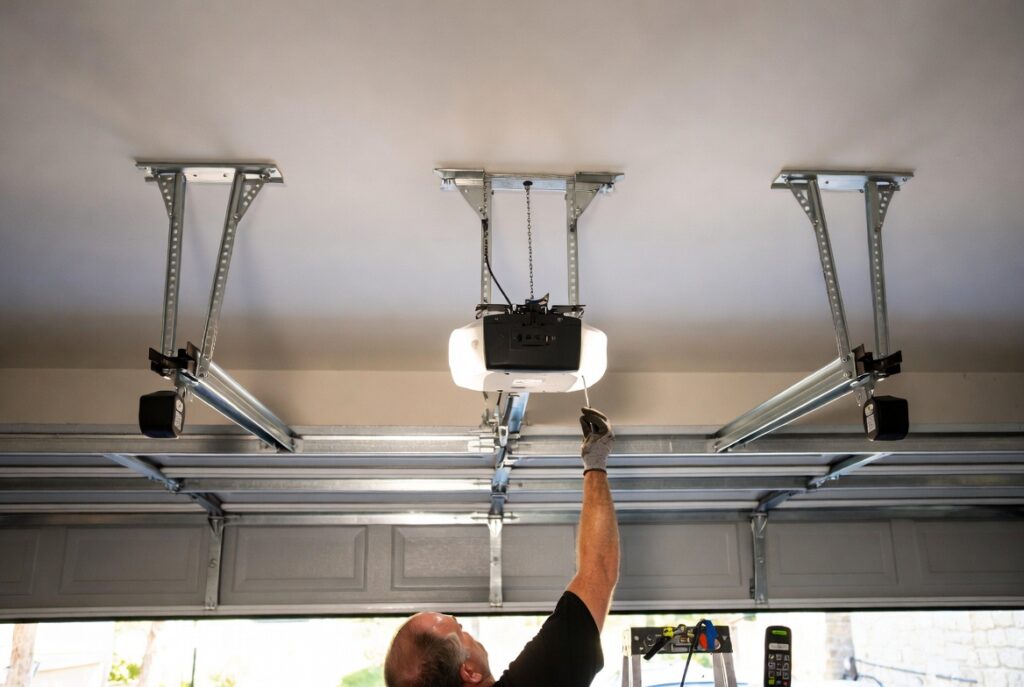
If you’re a homeowner in Northern Virginia, you know the convenience of a garage door remote. One click, and your door opens without stepping out into the cold or rain. But when that little remote suddenly stops working, frustration sets in fast. You’re left tapping the button over and over, wondering why your garage door opener won’t respond.
Don’t worry — you’re not alone. This is a common issue for many homeowners, and in most cases, it’s easily fixable. In this guide, we’ll break down why your garage door opener won’t work with the remote, the signs to look for, step-by-step troubleshooting tips, and when it’s time to call a professional in Northern Virginia.
Understanding the Problem: Why Your Garage Door Opener Won’t Work With the Remote
At its core, your garage door opener is a communication system. The remote sends a signal to the opener motor, telling it to open or close the door. If the opener isn’t responding, something is interrupting that signal.
Common causes range from a dead battery in the remote to misaligned sensors, interference, or even mechanical issues with the opener itself. Understanding the root cause is the first step toward solving the problem safely.
Common Causes and Symptoms
Here are the most common reasons your garage door remote might fail, along with the signs you might notice:
| Cause | Symptoms | Quick Fix |
| Dead or weak remote battery | The remote doesn’t trigger the opener, and the LED on remote is dim or off | Replace the battery |
| The remote is not programmed | The opener doesn’t respond at all | Reprogram the remote |
| Interference | The door opens sporadically or only from certain angles | Check for electronics or Wi-Fi interference |
| Misaligned safety sensors | The door reverses or won’t close | Realign sensors and clean lenses |
| Opener motor issues | The door doesn’t move or makes unusual noises | Inspect motor, call professional if needed |
| Broken or worn remote | LED blinks but door doesn’t respond | Replace remote |
| Power supply issues | The wall button works; remote doesn’t | Check outlet, wiring, circuit breaker |
Step-by-Step Troubleshooting: Getting Your Remote Working Again
Here’s a simple, homeowner-friendly guide to troubleshoot your remote safely.
1. Check the Remote Battery
Even the most advanced remotes fail if the battery is dead.
- Look for a small LED light on the remote — if it doesn’t light up when pressed, the battery may be dead.
- Replace the battery with the exact type recommended by your remote manufacturer.
- Test the remote again.
Pro Tip: Keep spare batteries on hand so you’re never left stranded.
2. Test the Wall Switch
If your garage door opener responds to the wall switch but not the remote, the issue is likely with the remote itself.
- Press the wall-mounted button. If the door moves, you know the motor and power supply are fine.
- If it doesn’t move, you may have a more serious opener issue.
3. Reprogram the Remote
Sometimes the remote loses its programming, especially after power outages.
- Locate the “Learn” or “Program” button on your opener motor.
- Follow your manufacturer’s instructions to sync the remote again.
- Test to see if the door responds.
4. Check for Interference
Electronics like Wi-Fi routers, LED lights, or even nearby radio towers can interfere with the remote signal.
- Try standing closer to the garage door when using the remote.
- Move any wireless devices away from the opener unit.
- If interference is the problem, a different channel or frequency might resolve it.
5. Inspect Safety Sensors
Modern garage doors won’t operate if safety sensors are misaligned.
- Ensure nothing is blocking the sensor path.
- Clean the lenses with a soft cloth to remove dust or debris.
- Make sure both sensors face each other and the lights on the sensors are solid (not blinking).
Safety Tip: Never bypass safety sensors — they prevent serious injuries.
6. Examine the opener motor.
If none of the above works, the issue might be with the motor itself.
- Listen for unusual sounds like grinding or humming when pressing the remote.
- Inspect the motor unit for obvious damage.
- Sometimes, a full reset or professional inspection is needed.
7. Replace the Remote
If the remote is old, worn, or physically damaged, it may be time to replace it.
- Make sure the replacement is compatible with your opener brand (LiftMaster, Chamberlain, Genie, Craftsman, etc.).
- Program the new remote according to the manufacturer’s instructions.
Safety Tips When Troubleshooting
Your garage door system is heavy and can be dangerous if handled improperly.
- Always keep hands and fingers clear of moving parts.
- Disconnect power before inspecting wiring or opener mechanisms.
- Avoid forcing the door if it resists movement.
- Use a ladder safely and ensure it is stable.
When to Call a Professional
Sometimes troubleshooting doesn’t solve the problem, or you may notice warning signs that indicate a bigger issue. Call a professional garage door technician in Northern Virginia if:
- The door doesn’t respond to the wall switch or remote.
- You hear unusual grinding, popping, or buzzing noises.
- Safety sensors or springs are damaged.
- The door opens unevenly or gets stuck halfway.
- You’re unsure about handling electrical or mechanical components.
Professional service ensures your garage door works safely and reliably, saving you time and avoiding costly mistakes.
If your garage door opener isn’t responding to the remote, don’t stress. Our experienced garage door technicians in Northern Virginia can quickly diagnose the problem and restore your convenience. From battery replacements and remote reprogramming to motor repairs and safety checks, we’re here to help. Contact us today for a professional, safe, and friendly service.
Frequently Asked Questions
1. Why does my garage door opener work with the wall switch but not the remote?
This usually indicates a problem with the remote itself — either the battery is dead, it needs reprogramming, or it’s worn out.
2. Can interference from other electronics prevent the remote from working?
Yes. Wi-Fi routers, LED lights, and other wireless devices can block the signal. Moving devices or changing the remote frequency can help.
3. How do I know if the safety sensors are causing the problem?
If the door reverses unexpectedly or won’t close fully, check that the sensors are aligned, clean, and free from obstructions.
4. How long do garage door remotes typically last?
With normal use, a remote can last 5–10 years, but batteries may need replacement every 1–2 years.
5. Is it safe to attempt repairs myself?
Basic troubleshooting like replacing batteries or reprogramming a remote is safe. However, any work on springs, motors, or wiring should be handled by a professional.